Hospital Equipment

Supplying and equipping hospitals, clinics, operating rooms, ICU/CCU and CSSD departments according to each facility's needs.

Specialist Consultation and Equipment Planning

Equipment from Established Manufacturers

Installation, Commissioning and Training

After-Sales Service and Support

Specialist Supply of Hospital and Operating-Room Equipment

Hospital Equipment for Clinical Departments and Healthcare Facilities

Equipment procurement for a hospital, surgical center, or clinic should start with each department's actual needs. Pishdad Teb helps simplify product and brand selection, quotation requests, procurement, and relevant support.

Hospital Equipment Selection Guide

Hospital equipment can affect patient care, workflow and safety. A malfunctioning critical device or unavailable surgical instrument can disrupt services. Selection and purchasing therefore require appropriate technical review and reliable supply arrangements.

This guide introduces equipment categories ranging from general ward devices to specialist operating-room instruments. You can also explore the broader medical equipment range. Match technical features and associated services to the facility's actual needs.

What Is Hospital Equipment and Where Is It Used?

Hospital equipment includes devices, tools and supplies used in treatment, diagnosis and patient care. It ranges from consumables such as syringes and dressings to anesthesia machines, vital-sign monitors and specialist surgical instruments.

Appropriate equipment supports clinical services, monitoring and procedures. The needs of an operating room differ from those of an ICU or outpatient department.

Correct selection, use and maintenance can support consistent service delivery and reduce avoidable downtime or premature replacement.

Essential Hospital Equipment Checklist for Healthcare Facilities

Healthcare facilities need general, diagnostic, specialist and consumable equipment. Quantities and specifications depend on the departments, services and expected patient volume.

1. General Hospital Equipment

Foundational equipment for inpatient and clinical departments includes:

  • Hospital beds for wards, emergency departments and intensive care
  • Patient transport stretchers
  • Wheelchairs for patients with reduced mobility
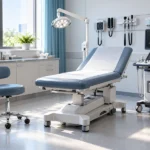
  • Examination tables and essential accessories
  • Examination lights and basic monitoring devices

2. Diagnostic and Patient-Care Equipment

Devices used to assess patient status and provide ongoing care include:

  • Vital-sign monitors
  • Ultrasound equipment
  • Oxygen concentrators and CPAP/BiPAP devices
  • Suction devices

Select products according to the department, intended use and facility requirements.

3. Specialist Operating-Room Equipment

Operating rooms require equipment suited to their surgical procedures:

  • Anesthesia machines
  • Laparoscopic instruments
  • Electrosurgical devices
  • Orthopedic saws and drills
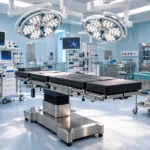
  • Surgical lighting and imaging equipment

Technical specifications, intended use and reprocessing compatibility are especially important.

4. Hospital Consumables

Frequently used products must be sourced consistently:

  • Syringes and infusion sets
  • Bandages, sterile gauze and dressings
  • Infusion fluids and associated supplies
  • Respiratory tubing and relevant disposable items

Quick Access to Hospital Equipment Categories

Begin with the product category or medical specialty that matches your facility's needs.

General and Specialist Surgical Instruments

Operating-room surgical instruments for general and specialist procedures.

Products by Medical Specialty

Browse products by clinical discipline and application.

Positioning Pads

SUNG KWANG patient positioning pads and related products.

Laparoscopy and SHINVA

SHINVA equipment for laparoscopy, general surgery, gynecology and orthopedics.

Orthopedic Saws and Drills

ANDTECH products for bone, joint and orthopedic procedures.

Hospital Equipment Consultation

Assess needs before equipping or renovating a healthcare facility.

Hospital Equipment

Hospital, clinic, operating-room and ICU/CCU/CSSD procurement solutions according to clinical needs and relevant technical requirements.

Specialist Consultation and Equipment Planning

Equipment from Established Manufacturers

Installation, Commissioning and Training

After-Sales Service and Support

Specialist Hospital and Operating-Room Equipment Procurement

Hospital Equipment for Clinical Departments and Healthcare Facilities

Hospital and clinical equipment procurement should reflect the needs of each department. Pishdad Teb supports category and brand comparison, quotation requests and relevant procurement services.

Hospital Equipment Selection Guide

Hospital equipment can affect patient care, workflow and safety. A malfunctioning critical device or unavailable surgical instrument can disrupt services. Selection and purchasing therefore require appropriate technical review and reliable supply arrangements.

This guide introduces equipment categories ranging from general ward devices to specialist operating-room instruments. You can also explore the broader medical equipment range. Match technical features and associated services to the facility's actual needs.

What Is Hospital Equipment and Where Is It Used?

Hospital equipment includes devices, tools and supplies used in treatment, diagnosis and patient care. It ranges from consumables such as syringes and dressings to anesthesia machines, vital-sign monitors and specialist surgical instruments.

Appropriate equipment supports clinical services, monitoring and procedures. The needs of an operating room differ from those of an ICU or outpatient department.

Correct selection, use and maintenance can support consistent service delivery and reduce avoidable downtime or premature replacement.

Essential Hospital Equipment Checklist for Healthcare Facilities

Healthcare facilities need general, diagnostic, specialist and consumable equipment. Quantities and specifications depend on the departments, services and expected patient volume.

1. General Hospital Equipment

Foundational equipment for inpatient and clinical departments includes:

  • Hospital beds for wards, emergency departments and intensive care
  • Patient transport stretchers
  • Wheelchairs for patients with reduced mobility
  • Examination tables and essential accessories
  • Examination lights and basic monitoring devices

2. Diagnostic and Patient-Care Equipment

Devices used to assess patient status and provide ongoing care include:

  • Vital-sign monitors
  • Ultrasound equipment
  • Oxygen concentrators and CPAP/BiPAP devices
  • Suction devices

Select products according to the department, intended use and facility requirements.

3. Specialist Operating-Room Equipment

Operating rooms require equipment suited to their surgical procedures:

  • Anesthesia machines
  • Laparoscopic instruments
  • Electrosurgical devices
  • Orthopedic saws and drills
  • Surgical lighting and imaging equipment

Technical specifications, intended use and reprocessing compatibility are especially important.

4. Hospital Consumables

Frequently used products must be sourced consistently:

  • Syringes and infusion sets
  • Bandages, sterile gauze and dressings
  • Infusion fluids and associated supplies
  • Respiratory tubing and relevant disposable items

Quick Access to Hospital Equipment Categories

Begin with the equipment category matching your department's needs.

General and Specialist Surgical Instruments

General and specialist operating-room surgical instruments.

Products by Medical Specialty

Explore equipment by medical specialty and treatment application.

Positioning Pads

SUNG KWANG positioning pads and patient-care products.

Laparoscopy and SHINVA

SHINVA laparoscopic, general surgical, gynecological and orthopedic products.

Orthopedic Saws and Drills

ANDTECH devices for bone and joint procedures.

Hospital Equipment Consultation

Review facility requirements before purchasing equipment or planning a renovation.

Pishdad Teb Specialist Products and Brands

Explore three of Pishdad Teb's current specialist product groups and visit the related brand pages for more details.

SHINVA | Laparoscopy and Surgical Instruments

SHINVA product groups for laparoscopy, neurosurgery, gynecology, general surgery and orthopedics.

SUNG KWANG | Patient Positioning Pads

Specialist patient positioning pads and equipment for operating rooms and healthcare centers.

ANDTECH | Orthopedic Saws and Drills

Powered surgical instruments for bone, joint and orthopedic procedures.

What Type of Facility Are You Equipping?

Facility type influences technical requirements, procurement volume and equipment priorities. Start the consultation with the type of healthcare facility.

Hospital

Equipment planning for multiple clinical departments and operating-room projects.

Ambulatory Surgical Center

Focus on operating-room devices, surgical instruments and essential specialist equipment.

Specialist Clinic

Selection based on specialty, patient volume and available space.

New Healthcare Facility

Plan procurement before the facility opens.

Hospital Equipment Prices and Purchasing: How to Choose a Suitable Brand

Hospital equipment prices depend on product category, specifications, manufacturer, order quantity and related services. First define the facility's needs, then compare similar options based on performance, cost and support.

What Influences Hospital Equipment Prices?

Model, features, origin, accessories and procurement terms may affect pricing. Confirm whether quotations include shipping, installation, training, warranty or accessories.

How Do You Choose a Suitable Brand?

Brand name alone is not enough. Review intended use, technical documentation, parts availability and after-sales support. Explore SHINVA surgical instruments, SUNG KWANG positioning pads and ANDTECH orthopedic saws and drills according to your clinical requirements.

Compare the Purchase Price with Operating Costs

Maintenance, spare parts, servicing and consumables can affect the total cost of use. Lower upfront prices are not necessarily better value without suitable performance and support.

How Do You Request an Accurate Quote?

Prepare equipment names, intended uses, quantities and key features. If your project list is not yet finalized, request hospital equipment consultation or contact the Pishdad Teb team.

Hospital Equipment Procurement Process

Hospital Equipment Selection and Purchasing

Price or a product name alone is not sufficient for hospital procurement. Consider intended application, build quality, relevant standards, access to parts, after-sales support and suitability to the facility. Establish requirements before comparing brands and available products.

Steps for Selecting and Buying Hospital Equipment

Start by sending the required equipment list or project specifications. Facility type, department, quantity and required delivery date provide the basis for an initial procurement assessment.

1. Identify Department Needs

Specify equipment names, uses, quantities and essential features. For new facilities or department upgrades, consultation can help clarify priorities.

2. Compare Products and Request Catalogs

Choose relevant categories from Pishdad Teb's brands and request model-specific catalogs. Compare size, functions, accessories and conditions of use.

3. Request Prices and Procurement Terms

Send the list and quantities to the sales team. Review price, availability, quotation validity, payment conditions and delivery times.

4. Confirm the Order and Related Services

Document product specifications, accessories, warranty and support terms. For equipment requiring setup or training, clarify the included services and any separate charges.

Hospital Equipment Purchasing FAQs

How Much Does Hospital Equipment Cost and How Do I Request a Quote?

Prices vary by product, model, brand, order quantity and included services. Send the equipment list, quantity and specifications via contact or the form on this page to request a quotation.

No single brand is ideal for every product or facility. The appropriate option depends on application, specifications, budget and support. Explore Pishdad Teb's product and brand pages.

Send the name, model or product category to request the relevant catalog. Check specifications, dimensions, features and included accessories before purchasing.

Start with the required departments, intended services, capacity, available space and budget. If no equipment list exists, request hospital procurement consultation.

Warranty length and coverage, parts availability and technical support depend on the product and its supply terms. Obtain written warranty details, exclusions and service responsibilities.

Not always. For devices requiring installation or training, confirm which services are included in the quoted price and whether transport, commissioning or training carry separate costs.

Request Hospital Equipment Consultation and Pricing

For individual products, department upgrades or equipment projects, send a list or short request description. Provide facility name, clinical department, quantities and preferred delivery timeframe.

Contact Pishdad Teb or use the form on this page.

We will contact you: